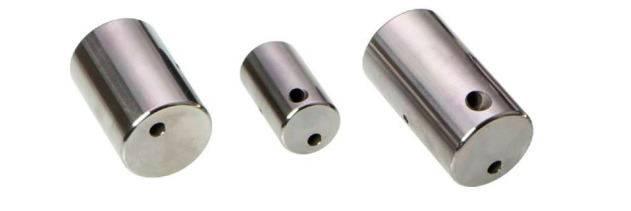
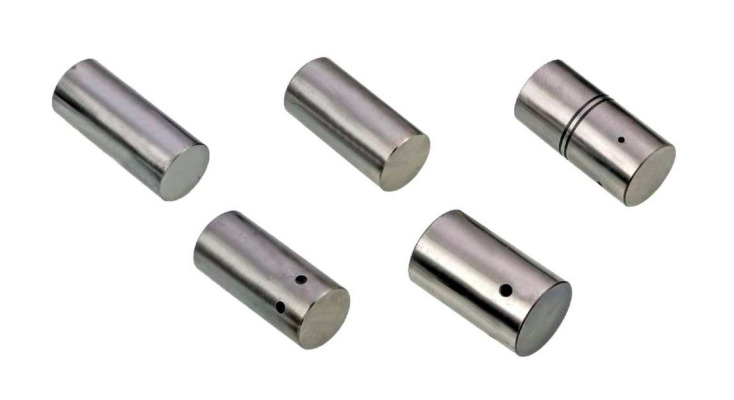
Forging Parts At HiBond Group, our Forging Parts are manufactured using precision forging processes to deliver exceptional strength, durability, and reliable performance for demanding industrial applications. Our Forging Parts are engineered to meet strict quality standards and are suitable for automotive, marine, construction, oil & gas, and heavy engineering industries.
Forging Process Our Forging Parts are produced through controlled manufacturing practices that ensure dimensional accuracy, consistent material properties, and long service life.
Material Selection We manufacture Forging Parts using premium materials such as carbon steel, alloy steel, stainless steel, and other engineered metals, selected according to the application’s mechanical and performance requirements.
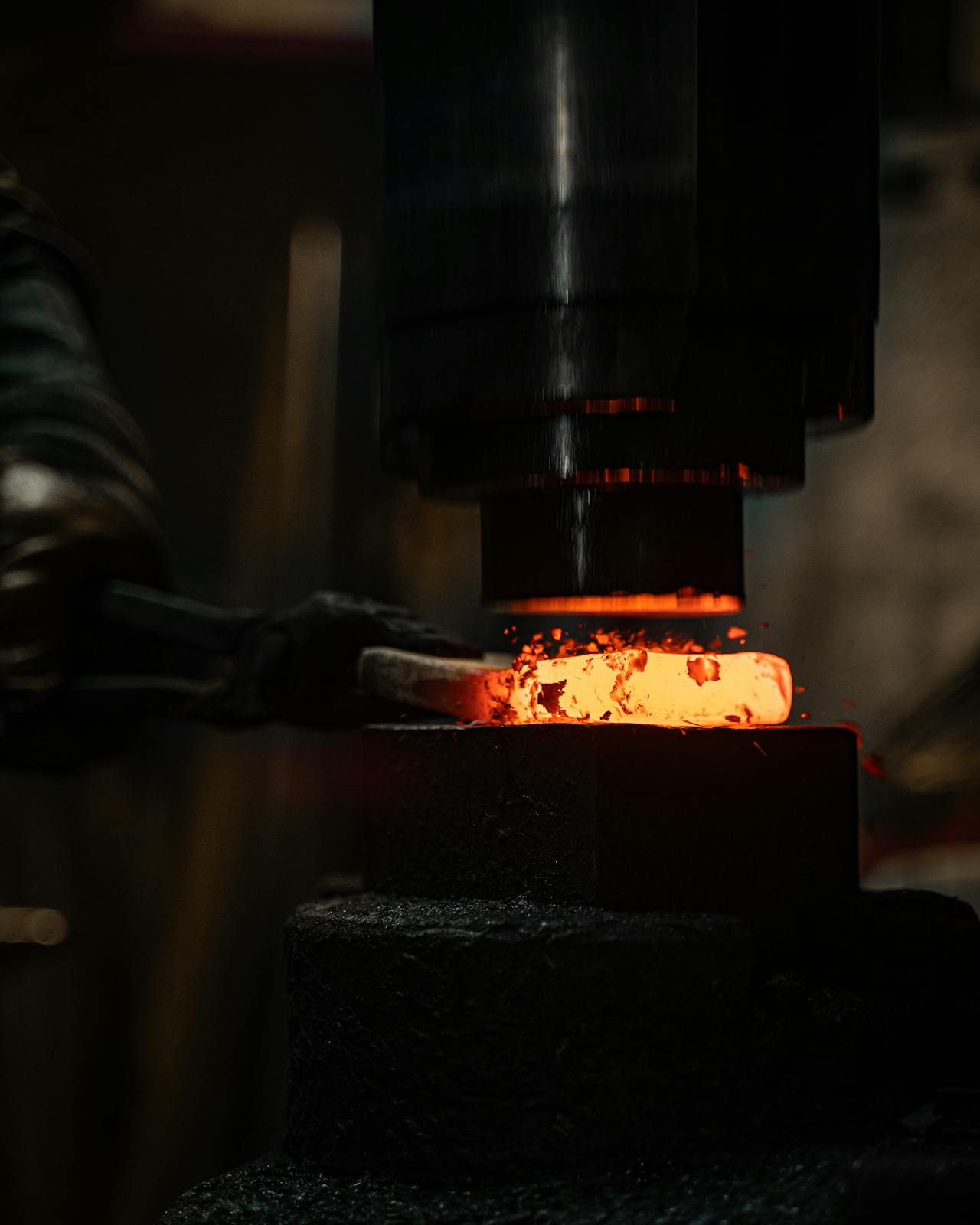
Controlled Heating The materials used for Forging Parts are heated under carefully monitored temperatures to improve formability while preserving the required metallurgical properties.
Forming & Shaping Our Forging Parts are produced using both open-die and closed-die forging methods to achieve precise dimensions, superior mechanical strength, and reliable structural integrity.
Heat Treatment To enhance the performance of our Forging Parts, post-forging heat treatment processes are applied where required to improve hardness, toughness, wear resistance, and fatigue strength.
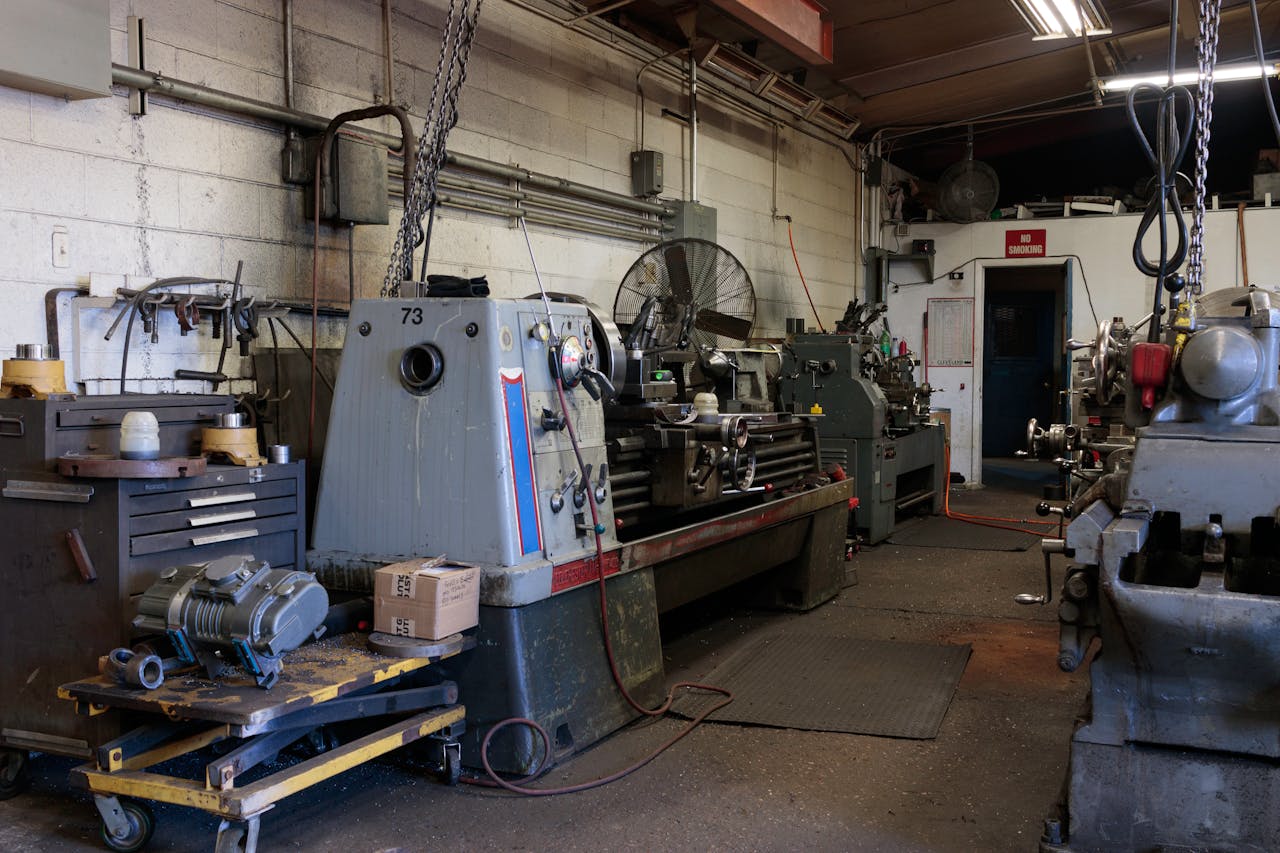
Machining & Finishing Each of our Forging Parts undergoes precision machining and finishing to meet customer drawings, dimensional tolerances, and application-specific requirements.
Quality Inspection Every Forging Part is inspected through rigorous quality control procedures to ensure compliance with international standards and customer specifications.
Forging Parts We Manufacture
Forged Shafts and Axles
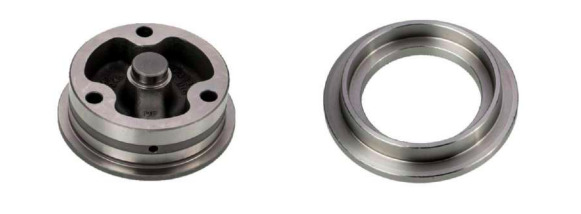
Forged Flanges and Rings
Forged Gears and Couplings
Heavy-Duty Forged Fasteners
Custom Forging Parts for Industrial Applications
HiBond Group is committed to delivering high-quality Forging Parts that provide outstanding strength, precision, and long-term reliability for a wide range of industrial and engineering applications across the UK.
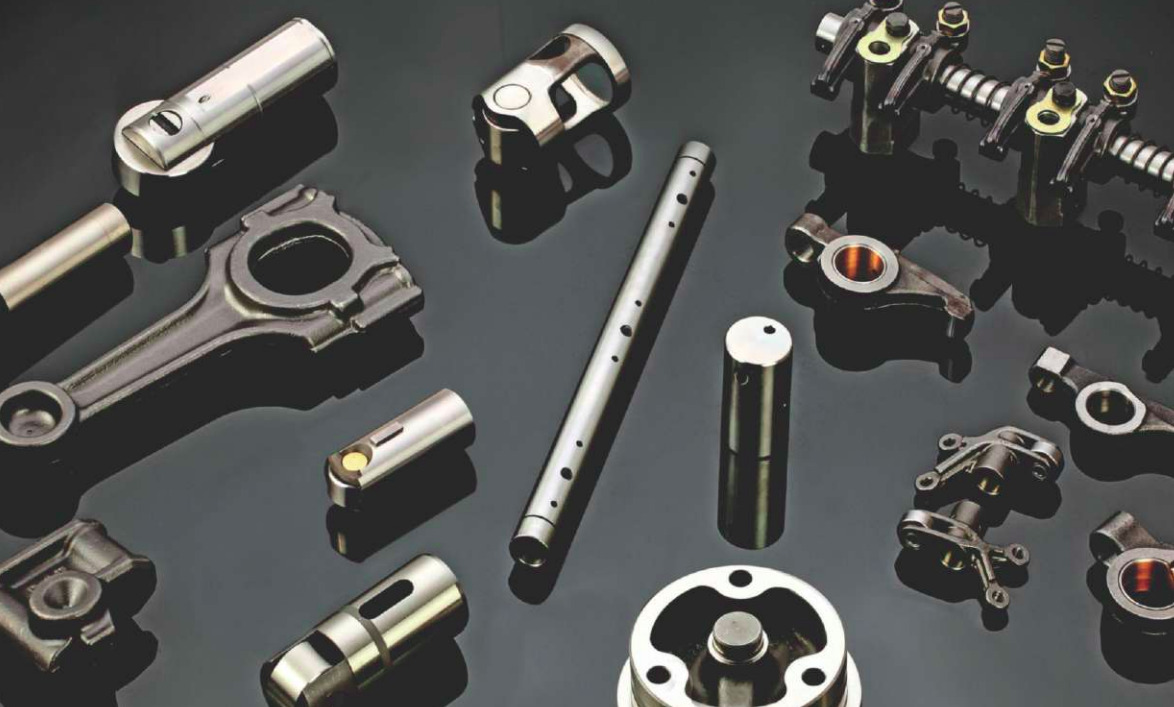
Explore Our FORGING Products
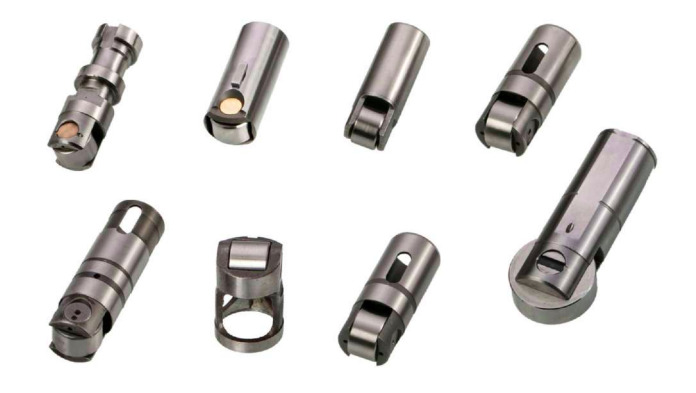
Valve Lifter Roller Tappet
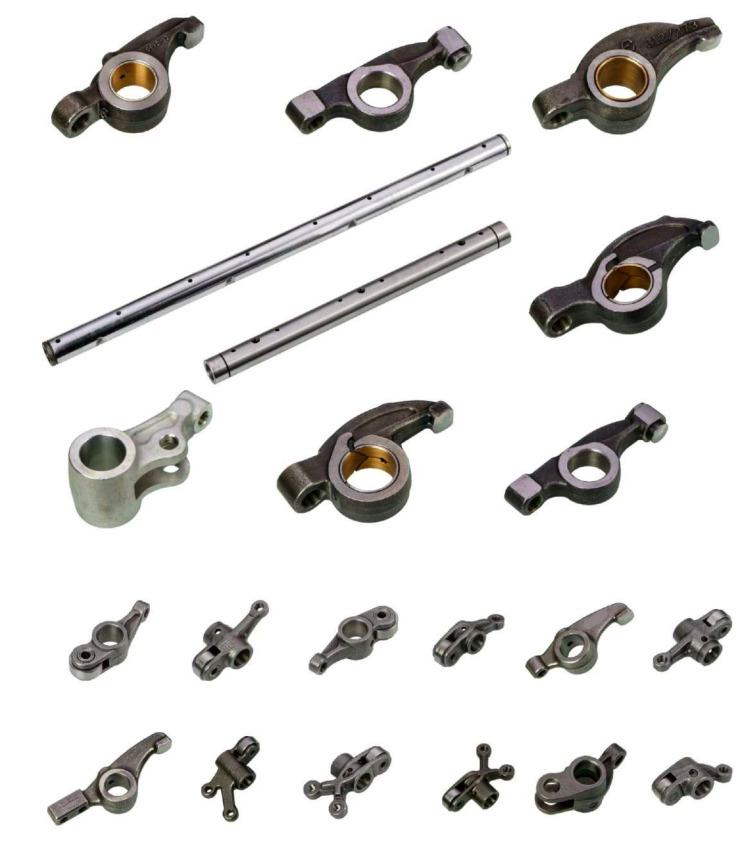
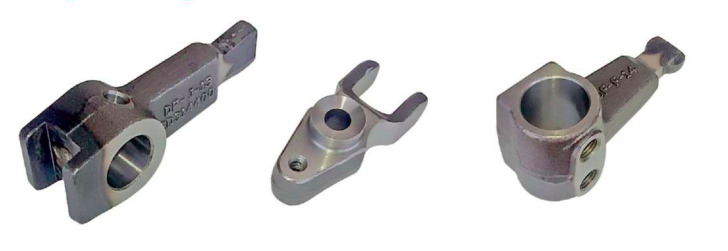
Rocker Arm & Rocker Shaft
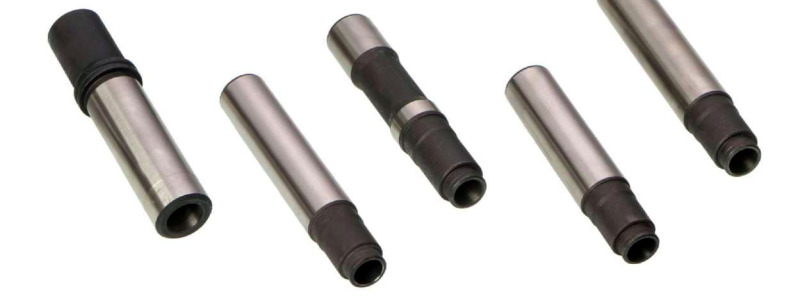
Valve Guide
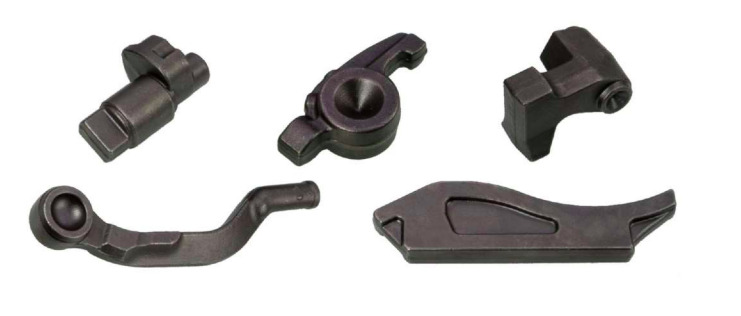
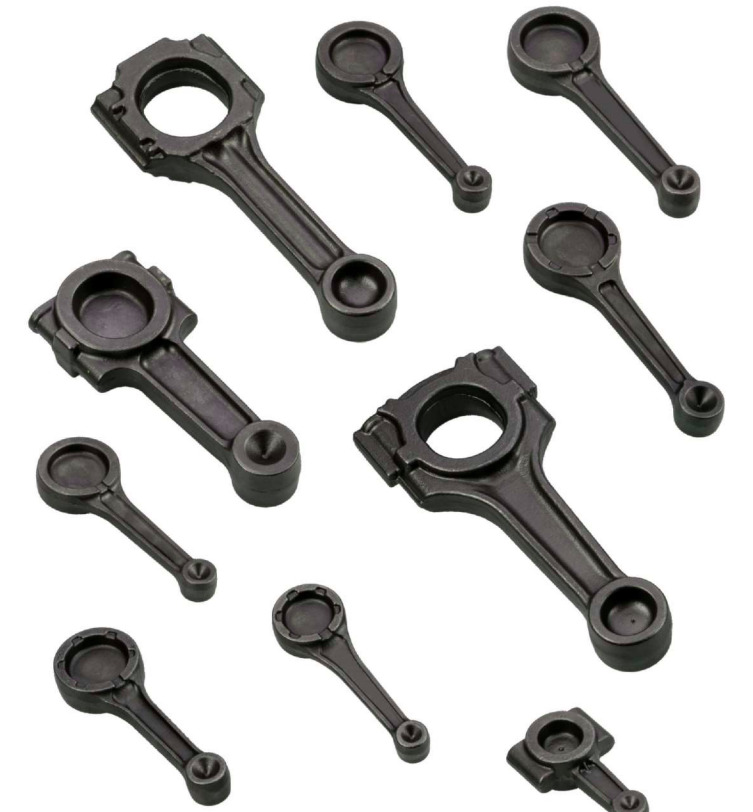
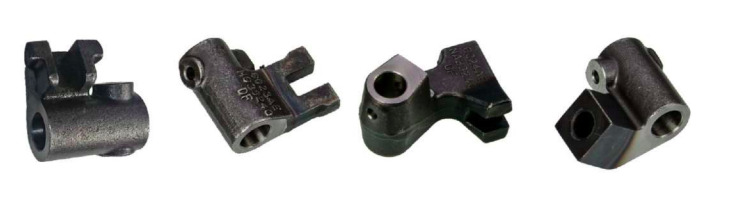
Forging Parts
Tractor Parts
Heavy Vehicle Engine Parts
Connecting Rods-Forged
Shifter Bush
2-Wheeler Crank Pins for Con Rod
Chilled Cast Iron Valve Tappet
MATERIAL & GRADES
At HIBOND GROUP LIMITED, we work with a wide range of high-performance material grades to meet diverse application requirements across automotive, agricultural, industrial, and engineering sectors. Our material selection is driven by the need for strength, durability, machinability, and consistent performance under demanding operating conditions.
We source certified raw materials from trusted suppliers and ensure complete traceability throughout the forging and manufacturing process. This allows us to maintain strict quality standards and deliver reliable, high-performance components for critical applications.
Our commonly used material grades include:
MATERIAL & GRADES
C15, C20, C45, C50, EN-8, EN8-D Suitable for general-purpose forged components with balanced strength and machinability.
ALLOY STEELS
16MnCr5, 20MnCr5, 42CrMo4, 40Cr4, EN19, EN24 Designed for components requiring high tensile strength, toughness, and wear resistance.
MICRO-ALLOYED STEELS
Customized grades for high strength-to-weight applications. Ideal for automotive and off-highway components requiring superior fatigue resistance
QUALITY CONTROLS & TESTING
We achieve high quality standards through in-house measuring systems with a well-equipped quality control system that includes:
MEASURING EQUIPMENTS
Co-ordinate Measuring Machine (CMM) with 0.1 Micron Resolution
Contour Measuring Machine & 2D height gauge.
Digi Profile Projector 400E with 1 Micron Linear and 1 second rotational Resolution.